NavalDecide.
Recommends decisions and live standing orders.
Hard calls, made with a holistic approach.
Each department sees one piece of the answer. NavalDecide sees the whole vessel: it reads what the rest of the platform knows about her, and answers in money, engineering and law.
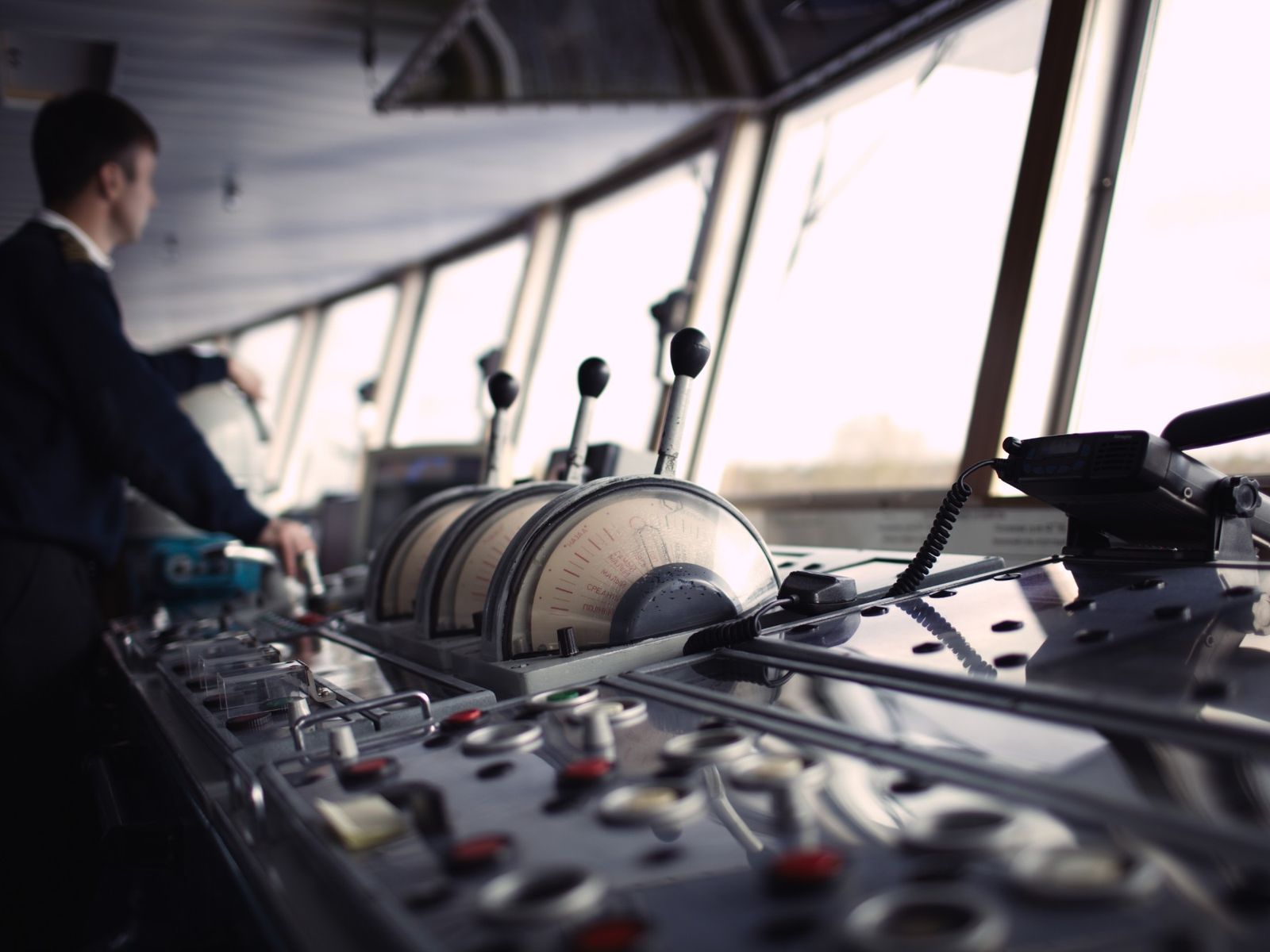
Every decision, debated.
The council is nine AI agents. The specialists judge each question from their own discipline and vote; the Director weighs the votes and recommends, with the reasoning shown.
NavalDecide, 4 example questions and the answers it gives
Every question goes to all eight specialist agents, who vote. The Director then examines the votes and recommends.
Question: Should we clean the hull before the next laden voyage?
Hydrodynamic: Separates the real fouling from the weather and the loading.
Machinery: Confirms how much extra fuel the engine is burning.
Financial: Works out the return on a clean and its break-even point.
Charter party: Confirms the extra day in port is allowed under the charter party.
Structural: Pushes back: stripping the coating to save fuel now means faster fouling next quarter.
Drawn from: NavalHull and NavalBurn.
Votes: Structural against; Seakeeping and Stability abstained; the rest for.
Recommendation: Yes, clean before she loads, but keep the coating: a gentle clean, not a strip.
Money: Fouling is costing about €2,156 a day in extra fuel, so the clean pays for itself.
Engineering: Hull drift is 5.08% and rising. Keeping the coating intact stops fouling coming back faster.
Law: Check the port allows in-water cleaning, and record the hull condition before and after.
Question: Can we slow down on this leg without breaching the charter party?
Drawn from: NavalRoute and NavalBurn.
Recommendation: Yes. Ease the speed and still arrive within the charter party terms.
Money: Less fuel on this leg, and no days lost waiting at anchor.
Engineering: The main engine stays within its normal load range at the lower speed.
Law: Stay within the warranted speed and consumption, and record the reason for the speed change.
Question: Heavy weather ahead: hold course or adjust?
Drawn from: NavalRoute and NavalBurn.
Recommendation: Adjust. Advise the master to alter course and ease speed until the weather passes.
Money: Less fuel than pushing through the weather, for a small loss of time.
Engineering: Motions and slamming ease at the new heading, with no stability or structural objection.
Law: A deviation for the ship's safety is normally covered by the charter party. Record the reason in the log.
Question: Is a pre-swirl duct worth fitting at the next drydock?
Drawn from: NavalRetrofit, NavalHull and NavalReport.
Recommendation: Yes. Add the pre-swirl duct to the drydock work list.
Money: Of the retrofits modelled for this vessel, it makes the strongest investment case.
Engineering: It suits her propeller and stern, with no structural objection to the fitting.
Law: Less fuel burned helps her carbon intensity rating in the years ahead.
Advisory: a competent officer or superintendent reviews every recommendation before it is acted on.
One ecosystem, per vessel.
Its sources are computed under
- ISO 15016
- Speed and power, from sea trials.
- ISO 19030
- Hull and propeller performance.
- ISO 8217
- Marine fuel specifications.
- ITTC
- Recommended Procedures for trials and performance prediction.
 ISO 15016
 ITTC
Reads from
- NavalBurn
Analyzes fuel consumption.
- NavalHull
Computes and forecasts hull efficiency.
- NavalRetrofit
Models retrofit ROI.
- NavalRoute
Computes the best possible route.
- NavalReport
Prepares technical, financial and regulatory reports.
See it on your own fleet.
Share
Noon reports and documents for two of your vessels.
Baseline
We build each vessel's performance baseline.
Results
Savings, risks and reports, per vessel, in euros.